






Introduction
Everywhere you look, there’s another React.js vs Node.js blog trying to pit them against each other like two tech gladiators. One side shouting, ‘React is the king of modern apps!’ and the other arguing, ‘Node.js runs the real show on the server!’
But here’s the twist nobody talks about: Node.js or React.js aren’t competitors at all. They’re more like players in different positions on the same team.
Confusing them is like asking whether a goalkeeper is better than a striker. They both win games, just in very different ways.
Still, the search traffic is real. CTOs, founders, and developers type, React.js vs Node.js every day. And here’s the uncomfortable truth: if you’re genuinely stuck on React.js vs Node.js, you might be solving the wrong problem altogether.
And, if that’s what you are searching for, then this article is not for you. Instead, we’ll break down why the comparison itself is flawed, when you actually should choose one over the other, and how the smartest teams today combine both to ship faster, more resilient products.
Let’s get to it.
React.js vs Node.js: The Real Contrast!
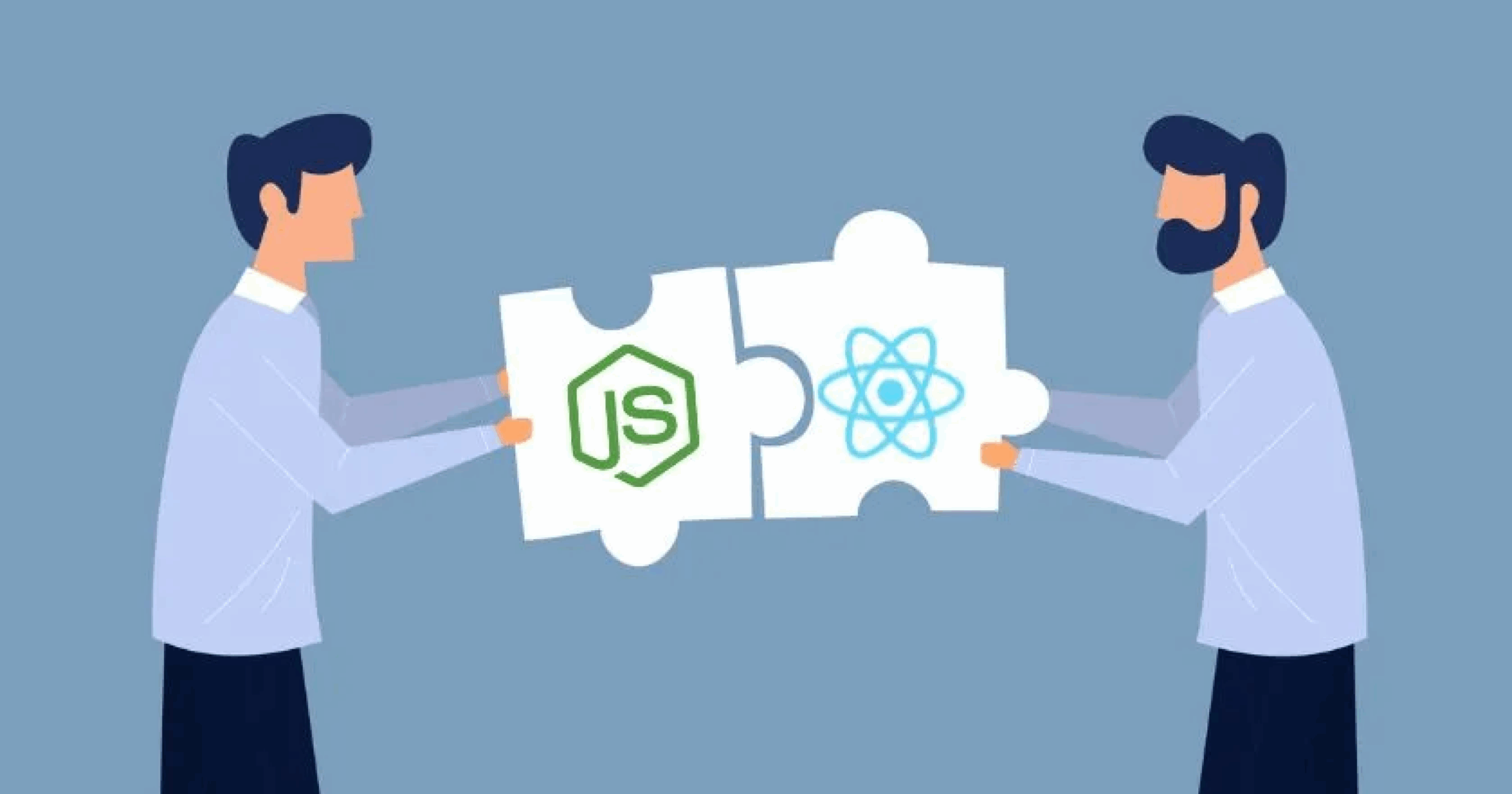
Before we dive into Node.js or React.js and discuss which is better, let’s clear up the basics. These two aren’t siblings fighting for the same role; they live in different worlds.
1. React.js
The brush your users see. It builds the interactive UI, handles clicks, forms, dashboards, and everything that makes an app feel alive in the browser.
2. Node.js
The backstage crew ensures that the right data appears at the right time. It runs on the server, orchestrates APIs, streams, and real-time events so that React (or any frontend) has something meaningful to display.
The confusion of Node.js or React.js and which is better exists because both speak the same language, JavaScript. But that’s where the overlap ends. One paints pixels. The other juggles requests.
And that’s why comparing Node.js and React.js differences as if they’re rivals is misleading. The real decision isn’t which one is better?, It’s where each fits in my architecture, and what problem am I solving right now?
You don’t need to choose between React.js and Node.js most of the time!

React and Node live in different parts of the stack. They are not rivals.
- React runs in the browser. It renders what users see and touch.
- Node runs on the server. It moves data, handles requests, and glues services together.
Using both gives you one language across the product. That means shared types, fewer handoffs, and faster shipping. The common pattern is simple.
- React for the interface.
- Node for the API or a Backend‑for‑Frontend layer that shapes data for each screen.
Modern teams default to this because it reduces coordination cost. You stop arguing about tools and start solving bottlenecks.
Node.js or React.js: Decide by Constraints, Not Features

Here’s the mistake most teams make: they line up Node.js and React.js differences feature-by-feature as if they’re choosing between two JavaScript frameworks. That’s like comparing a racing car to a cargo truck, both powerful, but built for entirely different tracks.
Instead of asking which is better, Node.js or React.js, ask, ‘Where is my bottleneck?’ Because in modern product development, the bottleneck, not the framework, decides your stack.
React.js makes sense when…
- Your bottleneck is the user interface
You need to deliver a smooth, interactive experience that doesn’t lag on mobile or low-end devices. React is built for handling UI complexity at scale. - You need reusable components and fast interactions
React’s component-driven approach lets you build once and reuse everywhere. This keeps your UI consistent and easier to maintain. - Your app is user-facing and engagement-heavy
If your product lives or dies by user interaction (think SaaS dashboards, e-commerce frontends, or social apps), React helps you build polished interfaces that keep people engaged.
Also Read: 6 Benefits of Using React.js for E-Commerce
Node.js makes sense when…
- Your bottleneck is data flow and concurrency
Node’s non-blocking I/O model is perfect for handling thousands of simultaneous requests without choking. Ideal for APIs, chat apps, or live feeds. - You’re handling real-time features or multiple APIs
If your app relies on streaming, notifications, or API orchestration, Node’s event-driven architecture is a natural fit. - You want a lightweight, scalable backend
Node.js servers are lightweight, quick to spin up, and scale horizontally without much hassle — great for startups and high-traffic apps alike.
React.js + Node.js together make sense when…
- You want JavaScript everywhere for speed and productivity
One language across the frontend and backend reduces silos. Your team doesn’t waste time switching contexts, and features move from idea to production faster. - You’re building a modern full-stack app with real data and an interactive UI
React handles the visual layer while Node takes care of the data pipeline. This pairing is the default choice for SaaS products, marketplaces, and any app that mixes rich UI with heavy server logic. - Your team is small and needs to move fast without silos
Startups and lean teams can’t afford a dozen specialized roles. With React + Node, the same developers can work across the stack. Less handoff, more ownership, faster delivery. - You care about maintainability and long-term growth
Sharing code (like validation logic or data types) across frontend and backend keeps things consistent. That reduces bugs, simplifies maintenance, and helps your app grow without constant rewrites.
The point? Don’t choose Node.js or React.js because of hype or habit. Choose based on the constraint that’s slowing your product down right now. Solve the real choke point, not the imaginary comparison.
Final Thoughts
The truth is, there’s no scoreboard where React.js vs Node.js battle it out for best framework.
What you choose isn’t a tool, it’s a trade-off.
Early on, you may lean on React to win users. As you scale, Node.js becomes the silent backbone that keeps the lights on. Mature teams eventually stop asking either/or and instead design architectures where each tool plays its role.
So instead of hunting for the one right choice, ask yourself: What’s slowing me down right now, and you will have your answer for React, Node, or both.
And, if you are still confused about what to do, which way to go, how to leverage the right platform, and beyond, then our team at Enstacked has got you covered.
So, whether you want to hire dedicated React.js developers or hire dedicated Next.js developers, or hire full-stack JavaScript developers, we are just a call away. Book your free consultation with us right away.
Frequently Asked Questions(FAQs)
Yes. React.js can run on its own for building static or client-side rendered apps. However, most modern apps pair React with Node.js (or another backend) to handle APIs, databases, and server logic.
No, you don’t need Node.js to run React.js in the browser. But Node is often used in React projects for package management (via npm), build tools, and backend integration.
Neither is “better” universally. React.js is best when your bottleneck is the user interface, while Node.js is best when your bottleneck is data flow, APIs, or real-time features. Most teams use them together for full-stack development.
Absolutely. Using Node.js for the backend and React.js for the frontend is one of the most popular full-stack setups today. It enables “JavaScript everywhere,” making development faster and easier for smaller teams.
It depends on your focus:
- If you want to build interactive UIs → start with React.js.
- If you want to build servers and APIs → start with Node.js.
Eventually, learning both opens doors to full-stack development.

